Water solutions
Start with whatyou’re noticing.
Pick an observation to see possible causes, what to test, and the treatment categories often considered. A starting point for a conversation — not a diagnosis.
Unpleasant taste or odour
You may notice
- Chlorine or ‘pool’ smell
- Earthy or musty taste
Possible causes
- Chlorine from municipal treatment
- Algae, fungi or other organic matter
What to test
Chlorine and general water analysis; note whether the issue is hot, cold or both.
Worth knowing
Taste and odour alone can’t identify a substance — treat them as a reason to test, not a diagnosis.
Treatment categories often considered
Common possibilities only — not a diagnosis or guarantee. Confirm with qualified testing and product compatibility.
Get help with thisAt a glance
Problems & solutions, quick reference.
The classic ROSMOSIS reference table, refreshed. Use it as a starting point, then confirm with testing.
- Bad taste or odourCause: Chlorine, algae, fungi or mouldsConsider: Carbon or ceramic filters, reverse osmosis, shower filters
- Scale build-up on fixturesCause: Hardness (calcium and magnesium)Consider: Water softeners
- Rusty or black stainsCause: Iron and/or manganeseConsider: Softeners, greensand, Birm or Pyrolox iron filters
- Red-brown slimeCause: Iron bacteriaConsider: Chlorination units
- Possible biological contaminationCause: Bacteria or other microorganismsConsider: UV treatment, chlorination, ceramic filtration — lab test first
- Rotten-egg smellCause: Hydrogen sulphideConsider: Chlorination, greensand filters
- Salty tasteCause: ChlorideConsider: Reverse osmosis
- Cloudy or dirty waterCause: Turbidity, sedimentConsider: Sediment filtration
- Gassy smellCause: Methane or radonConsider: Carbon filters — confirm with testing
- Other dissolved contaminantsCause: Arsenic, lead, nitrate, fluorideConsider: Reverse osmosis — confirm with lab testing
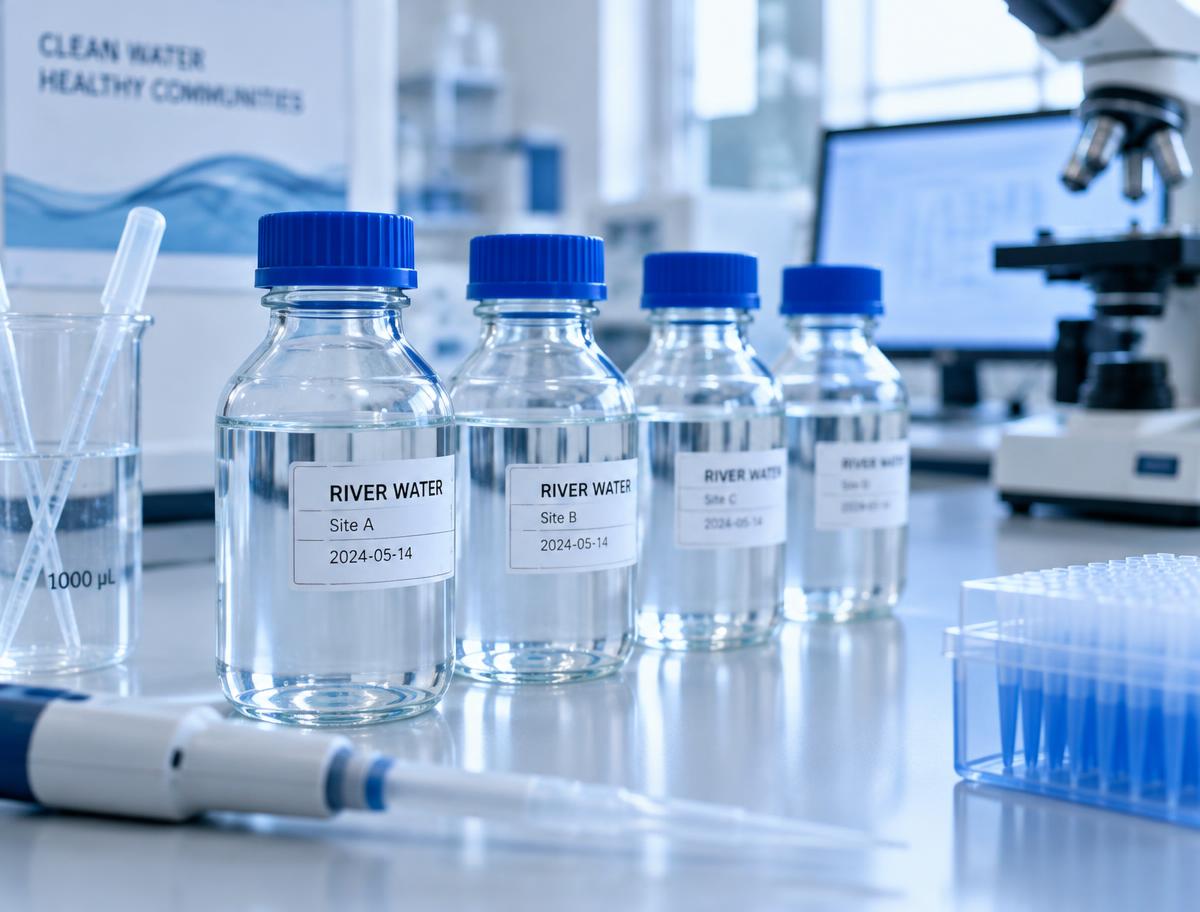
Testing first
The right treatment starts with real numbers.
Simple meters can give a quick reading of TDS or pH. For wells or health-related questions, use an accredited laboratory.
Water testing equipment